
A quick lap of Copenhagen and Stockholm
Each of the three Scandinavian countries we visited still use their own currencies. 1 Euro converts to 10.80 Swedish Krona and 7.50 Danish Krone. But if you had just crossed the border between the two, you'd notice no indication of this difference. The prices actually look the same. Yes, that means Denmark's 50% more expensive. We live in Amsterdam, which is not exactly a haven of affordability, but even from our perspective, there's a sticker shock going to Norway and Denmark and paying 7 euros for a latte.
Anyway, when you're traveling it's all make-believe money anyway, so let's not overthink things.
Copenhagen
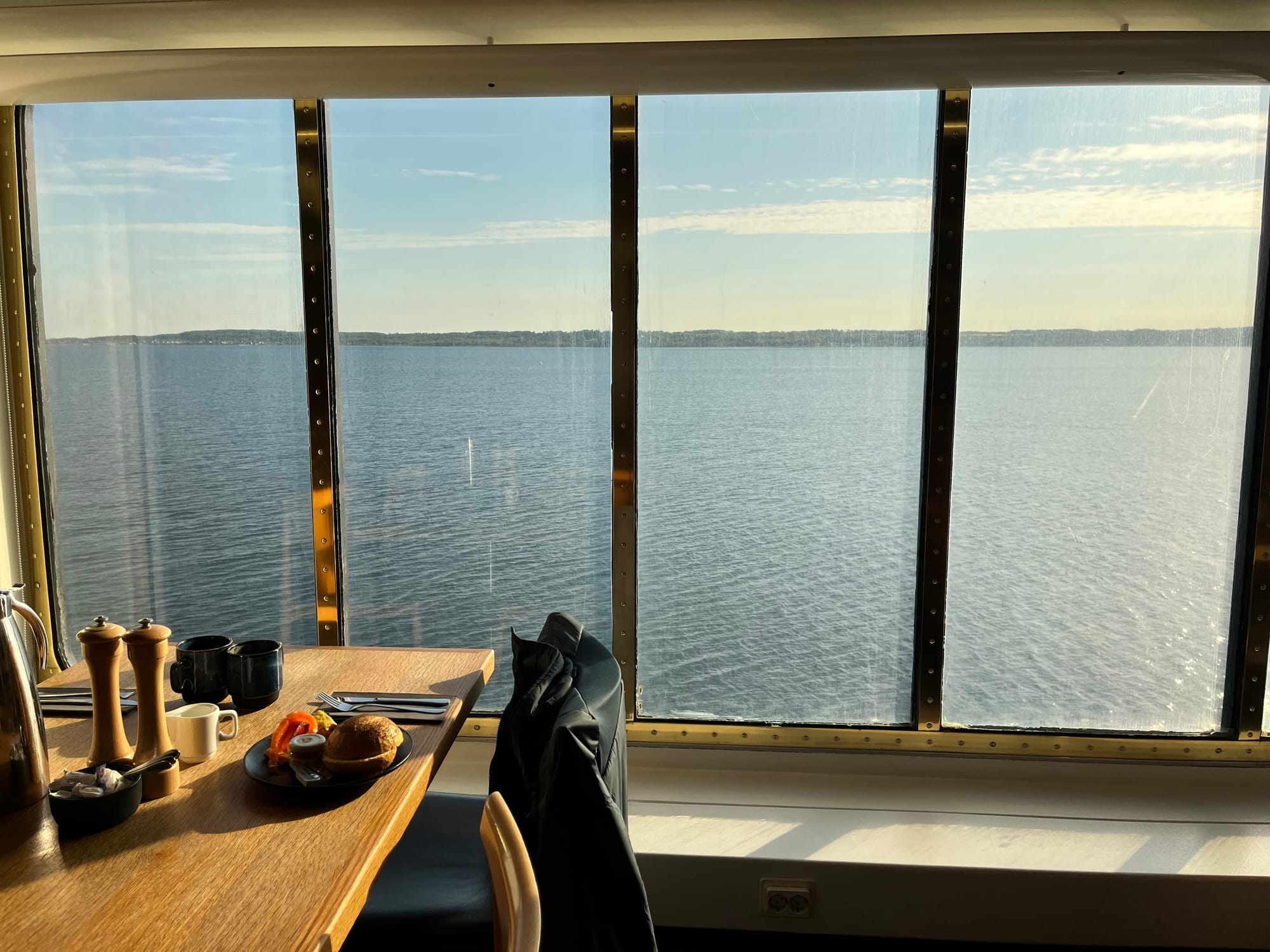
We arrived in Copenhagen by water. The only drawback is that there's not much public transit in the immediate harbor area, but on the other hand it was not the worst idea to take a walk through the city and re-adjust our legs to solid ground. On paper, Copenhagen and Amsterdam would seem alike. They're both of similar size, both have weird fish specialties, and both are friendly to bikes. However, the actual experience of these cities defies the expectation that they'd be the same.
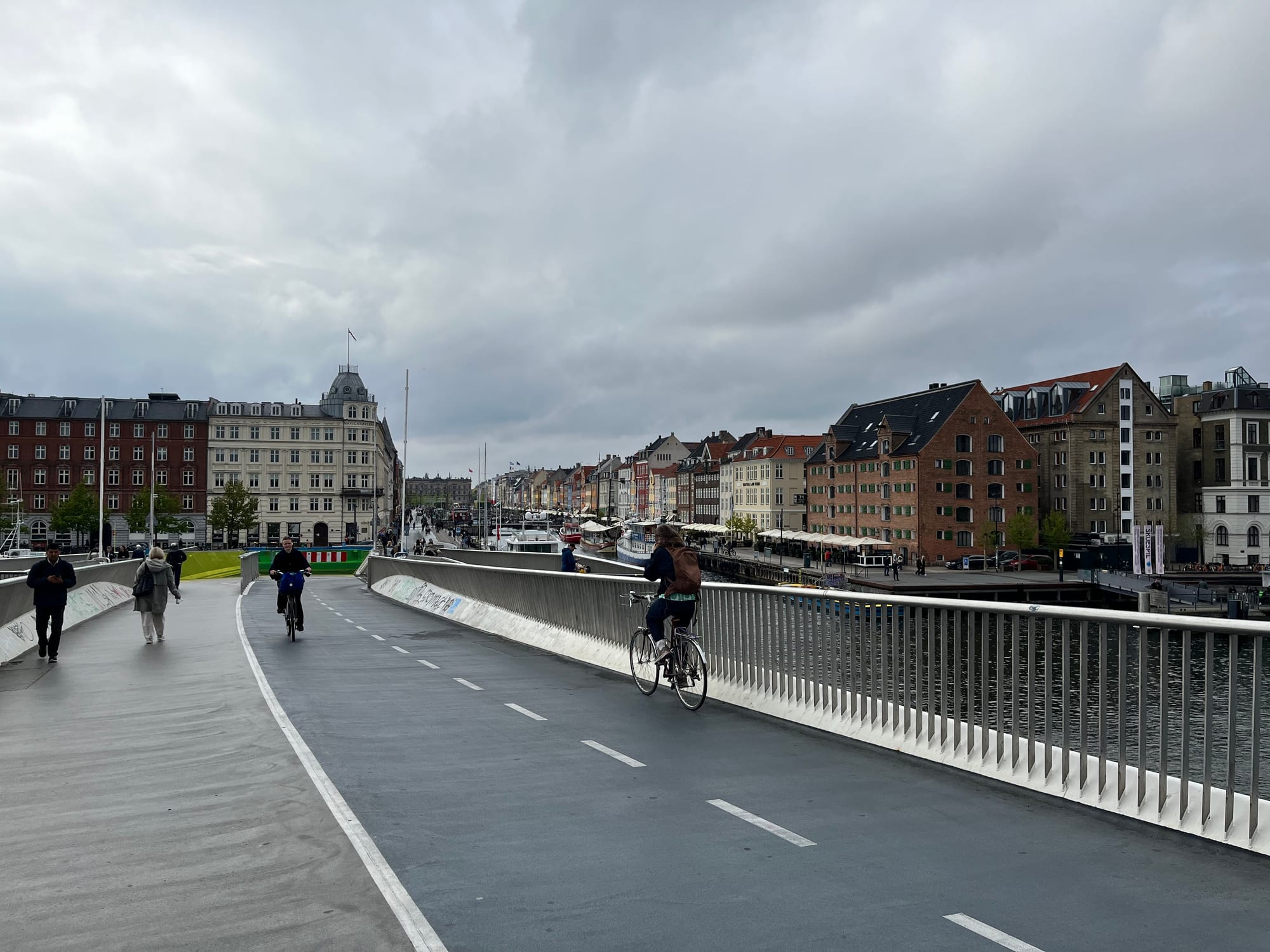
The first hint lies in the name. Amsterdam is the dam on the Amstel, and Copenhagen is the harbor of merchants. The Dutch capital is oriented toward the river, and Copenhagen is right on the sea, so it lacks the distinctive and photogenic canals that were built as a flood control system in Amsterdam. Well, except for one canal in Christianshavn, a neighborhood commissioned by the Danish king Christian IV, who took home a bit of inspiration after a visit to Amsterdam.
And that's the second big difference you'll feel: the fact that Denmark had a king (it still does, but kings are just figureheads now). Copenhagen has several royal palaces in the middle of the city, complete with the sort of gardens and uniform avenues of trees that you'd find in the Jardin du Luxembourg in Paris. Although the Netherlands is today a kingdom (which seemingly only matters on one day each year), back when Amsterdam experienced its golden age, the country was a merchant republic. One trick to understanding old European cities is that the way they look today is a crystallization of their heydays. So Amsterdam exchanges all that imperial real estate for its famous row houses all throughout the city center, built back in the days of the Dutch East India company when it became the richest place in Europe.
And a third difference: Copenhagen's nailed the marketing game around urbanism. You may have seen the Copenhagenize index that ranks cities by bike-friendliness. And, predictably, they've placed themselves ahead of Amsterdam. But, sorry, Amsterdam's bike infrastructure is just on another level. And I mean that in a literal way; the Dutch cycling approach is to completely separate traffic modes. For example I barely see any cars when I bike 7 kilometers to work in Amsterdam. Copenhagen boasts a ton of bicycle traffic and great separated lanes, but bikes are still often stuck waiting for car traffic at massive intersections, and I had no idea how we were intended to make a left turn, whereas Amsterdam would have dedicated signals for that.
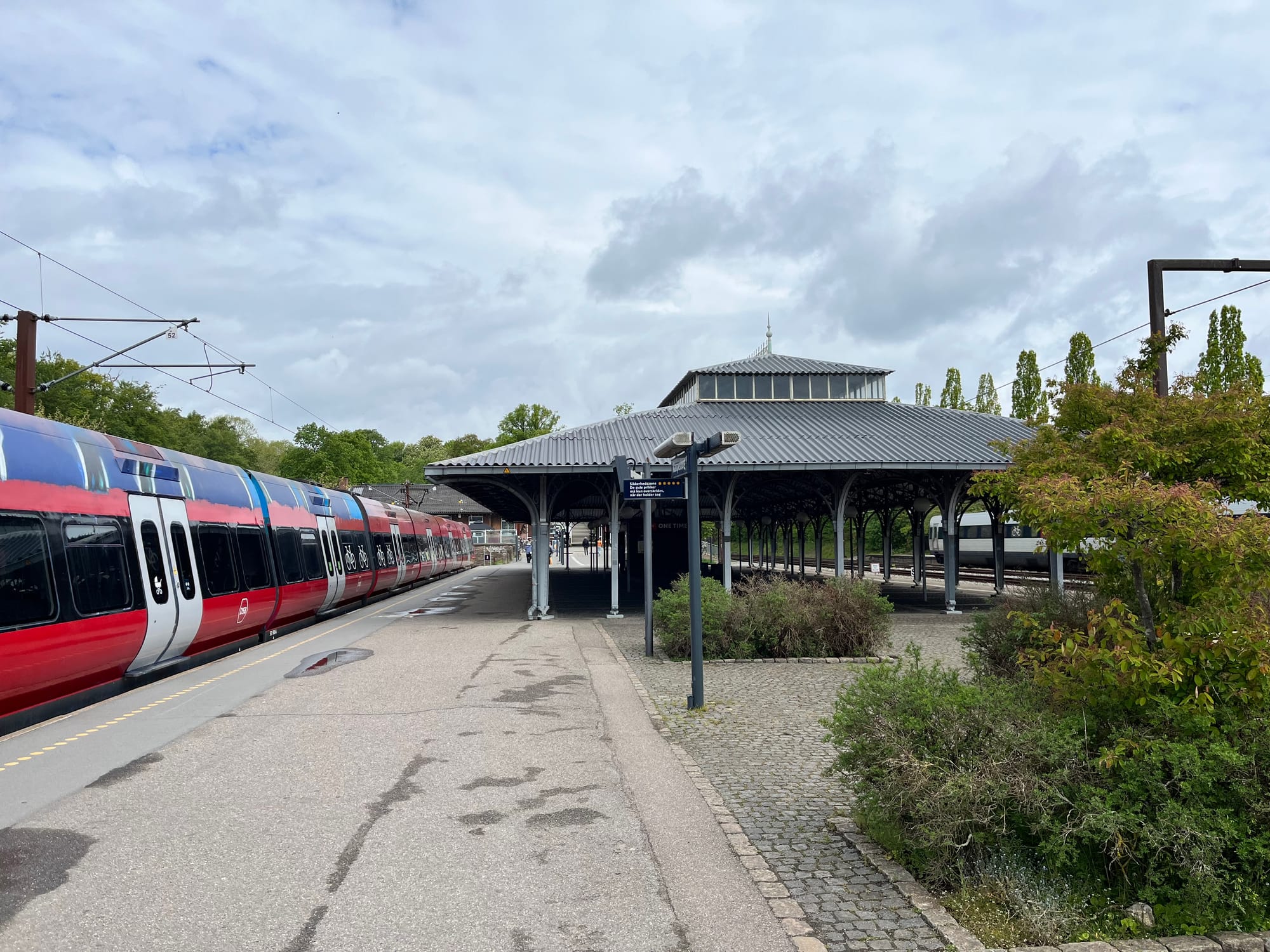
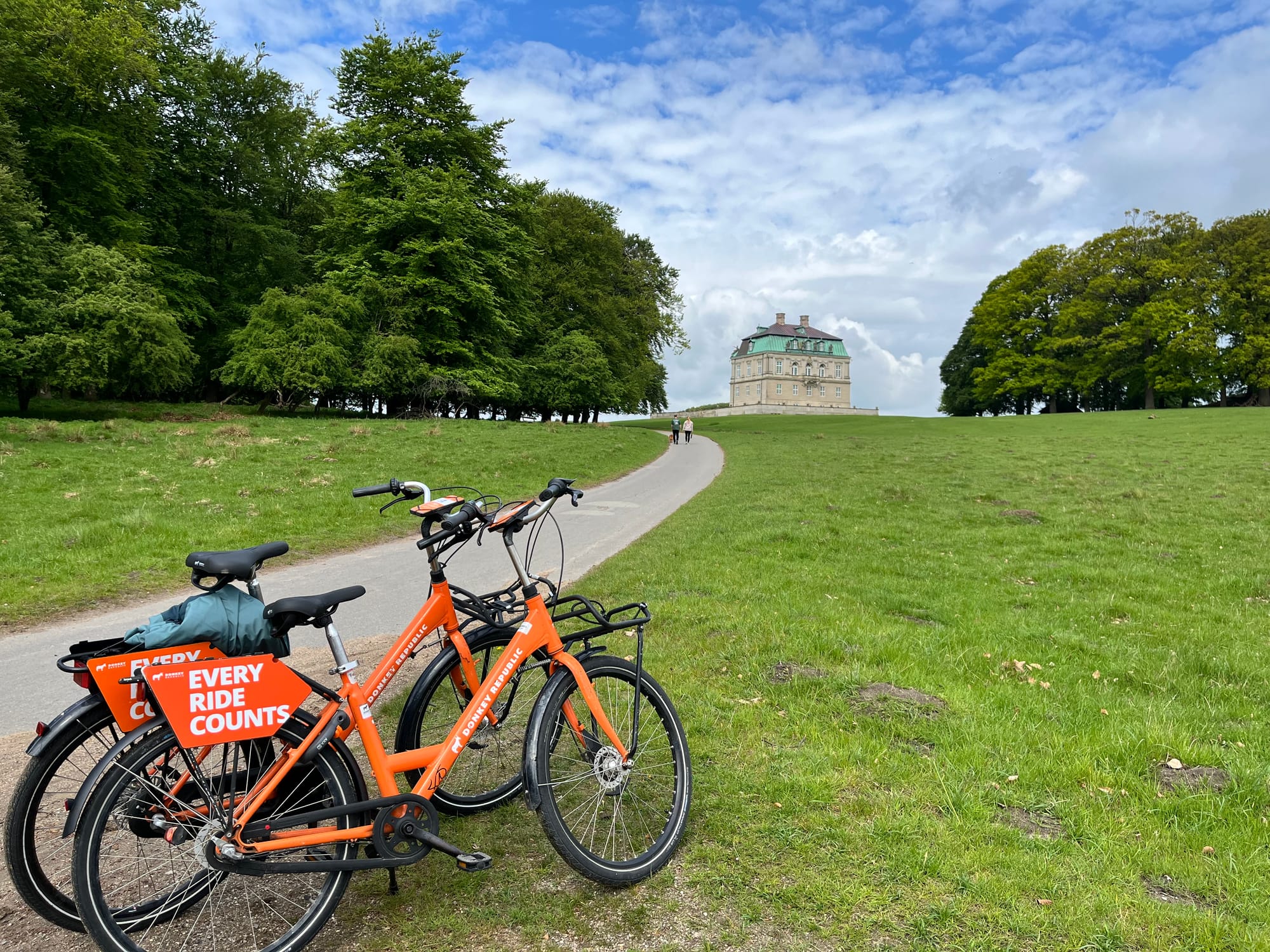
A beautiful morning cycling in the Jægersborg Dyrehave, an old hunting area, another relic of an aristocratic past
This time we're just hunting for photos
Stockholm
When I play Cities Skylines, my favorite kind of map is an archipelago. It's like nature has prepackaged each island for its own theme. This tidy little island at the center is where my city starts. This spacious island is where I'll put all the museums. That far away one will be an airport. And my favorite part is that I get to flaunt all sorts of transportation infrastructure between the islands, from tunnels to bridges to ferries.
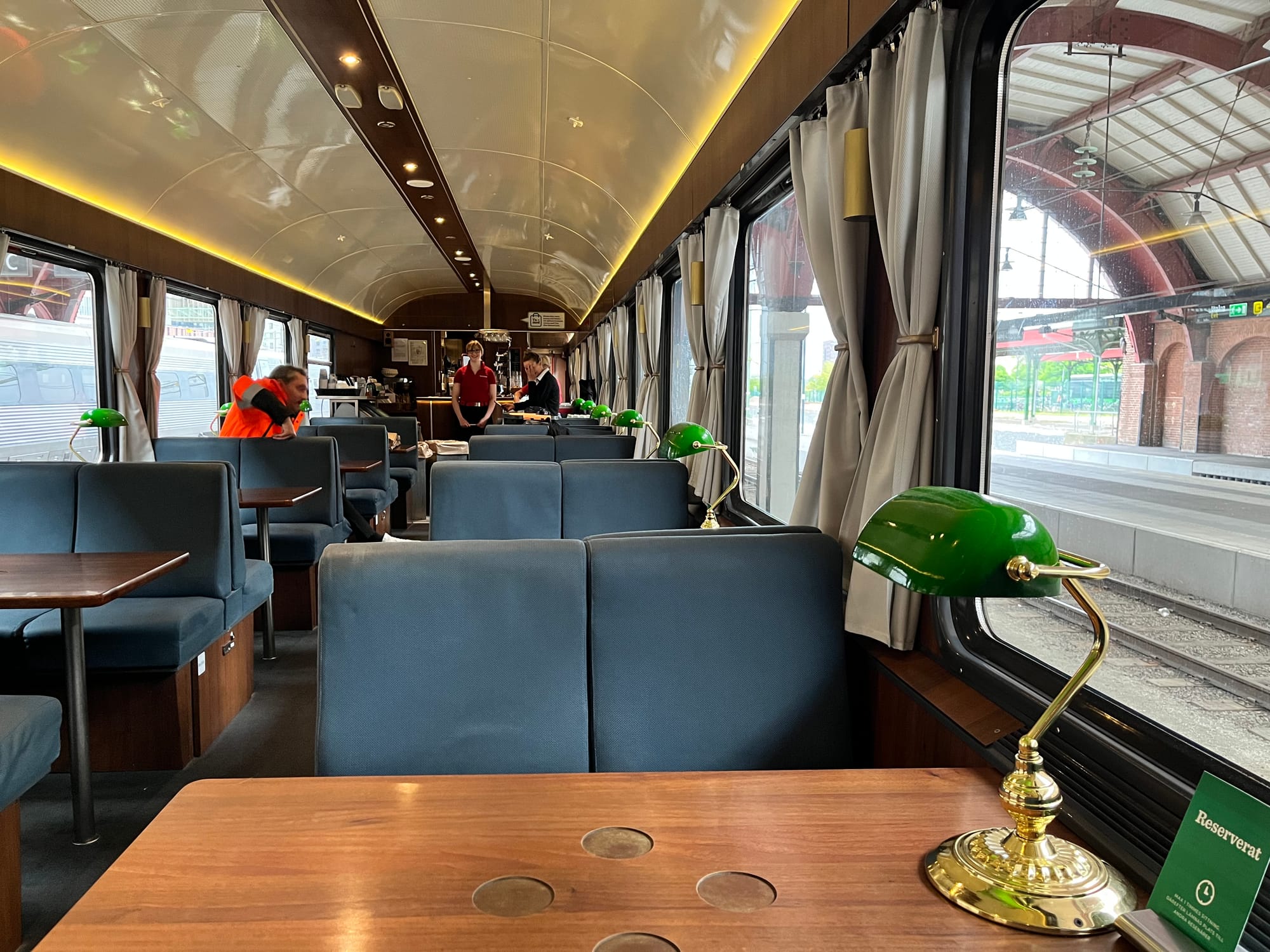
Maybe that's why I liked visiting Stockholm: they made this concept come true in real life. After having made the last international crossing by boat, this time we came by train. Amsterdam has a locally infamous fat-bike problem, bad enough that these bikes have been banned from Vondelpark, the largest park in the city. Of course, the "fat bikes" don't cause a problem on their own; the nuisance comes from the behavior of the riders on them. Well, in Stockholm these riders don't have bikes. They're on shared scooters instead, sliding out at dusk and recklessly barreling through the streets.

The island of Gamla Stan is the old town of Stockholm, packed with super narrow pedestrian streets. On this warm day it felt like Italy. We got a gelato and were suddenly visiting Florence again.
Another view towards Gamla Stan, from land this time. But the efficiency of public transport, not the old town, is what captivates me about this image. Those trains come nonstop carrying long-distance, commuter, and metro traffic every minute into the city. And each one can convey up to 1000 people. How many per hour is that? How wide would a highway need to be to achieve that level? Perhaps a few more lanes will let Houston find its answer.
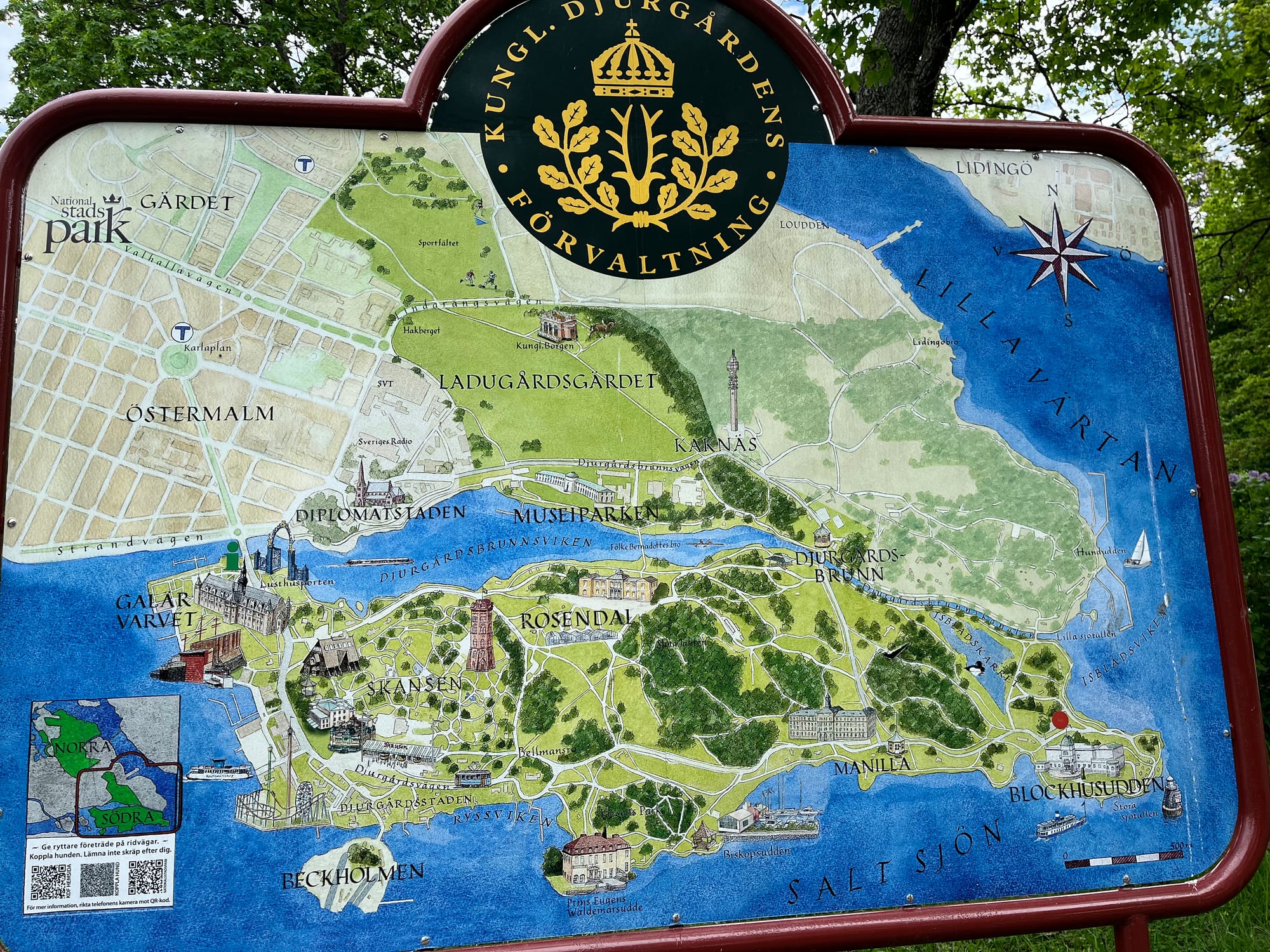
Walking paths on the garden island.
To be honest, I think we were both ready to go home at this point, but Stockholm still impressed us. 10 days hopping from hotel to hotel made us start to miss home and the comforts of having a routine... and a kitchen. Europe has so much for the traveler to enjoy and I'm glad I live here, but I'll just put it plainly: I find the food scene lacking. Lacking quality, lacking speed, lacking affordability, lacking variety. I'll even be generous and allow a score of 3 out of 4 qualities as a passing grade, but I'd struggle to give most places here even a single point. Evidently, I'm at odds with most of the people writing Google Maps reviews, since any random restaurant with a waitress who smiles occasionally automatically scores at least 4.5 stars, even if it takes an hour for food to arrive at the table. My biggest culture shock is that I can whip out dinner faster than they do, and they're the professionals who have the whole day to prepare in advance. In Asia or in the US, I don't remember having this issue. So I miss my kitchen!
The takeaway: don't go to a restaurant in Europe when you're hungry. And treat "local specialties" with a serving of suspicion.
Alright, if you've made it this far, I'll leave you with a positive recommendation. Do the duck confit at this restaurant in Copenhagen. They go a little overboard with the candles, but the duck tastes delicious.
View Comments